Verdict Box
Honest reality: Williams Landing is not a pizza suburb in 2026. It is a station-and-estate suburb with a small convenience food strip around Overton Road and a handful of fast meals, but no credible local pizza depth to build a real top-ten list from. That matters if your idea of Friday night is a woodfired base, proper char, and a choice between three good independents. Best for: commuters who want train access, newer housing, and easy freeway movement more than a dining strip. Skip if: you want a walkable pizza-and-wine night without leaving the suburb. Rent pressure: not inner-city brutal, but the newer apartment stock near Clark Street and the station is no giveaway once parking and inspections are counted. Commute reality: good on paper, more annoying at peak school and freeway times. Food scene: practical, thin, and takeaway-led. Family fit: strong for space and schools nearby, weaker for spontaneous local eating. Overall score: 6.4/10 for living, 2.5/10 for pizza.
At-a-Glance Table
| Factor | Williams Landing 2026 |
|---|---|
| LGA | Wyndham City Council |
| Postcode | 3027 |
| Geographic tier | West |
| Region | outer-west |
| Transport grade | B+ |
| Overall grade | A |
Who It Suits
Mina, 31, train commuter — wants a newer apartment near the station and accepts that dinner often means leaving the suburb. The Space-First Family — chooses garages, bedrooms, and easier western access over a strong main-street food scene. Raj, 42, weekend driver — is happy to treat Williams Landing as a base and hunt better pizza in Point Cook, Altona, or Werribee.
Rent & Property Reality
Median 1BR rent: about $315 per week, with rents broadly steady year on year rather than surging; check the live suburb page on Domain before you sign, because Williams Landing’s small apartment pool can move sharply when only a few listings are available. The plain-English read is this: Williams Landing looks cheaper than inner Melbourne, but it is not automatically cheap once you filter for a proper one-bedroom, secure parking, heating and cooling, and a walkable station position. The lower-looking suburb median is often pulled around by stock type and listing mix. A small unit near Clark Street or Williams Landing Boulevard can be priced very differently from a room, studio-style setup, or larger house share presented in the same online search results.
For a pizza-focused renter, the rent number needs to be read against lifestyle cost. If you move here expecting a dense local dining strip, you will probably spend more on petrol, rideshares, delivery fees, or train trips than the rent comparison suggests. Williams Landing is efficient for people who commute, meal-prep, and drive to specific food destinations. It is less efficient for someone who wants to walk downstairs to a late pizza counter, grab a drink, and be home in ten minutes.
The better value is usually not the absolute cheapest listing. A cheaper place set deeper into the estate can add daily friction if you are walking to the station in winter, fighting for visitor parking, or depending on delivery drivers who are coming from outside the suburb. A slightly higher rent near the station and shopping precinct may be worth it if you use public transport often. For families, the equation flips: a larger townhouse or house away from the station may make more sense than paying apartment pricing for convenience you do not use every day.
The trap is comparing Williams Landing with suburbs that have stronger food infrastructure and assuming the saving is pure upside. It is not. You are trading local choice for housing newness, road access, and a calmer residential pattern. That can be a good trade, but it is still a trade.
Local Reality & Pockets
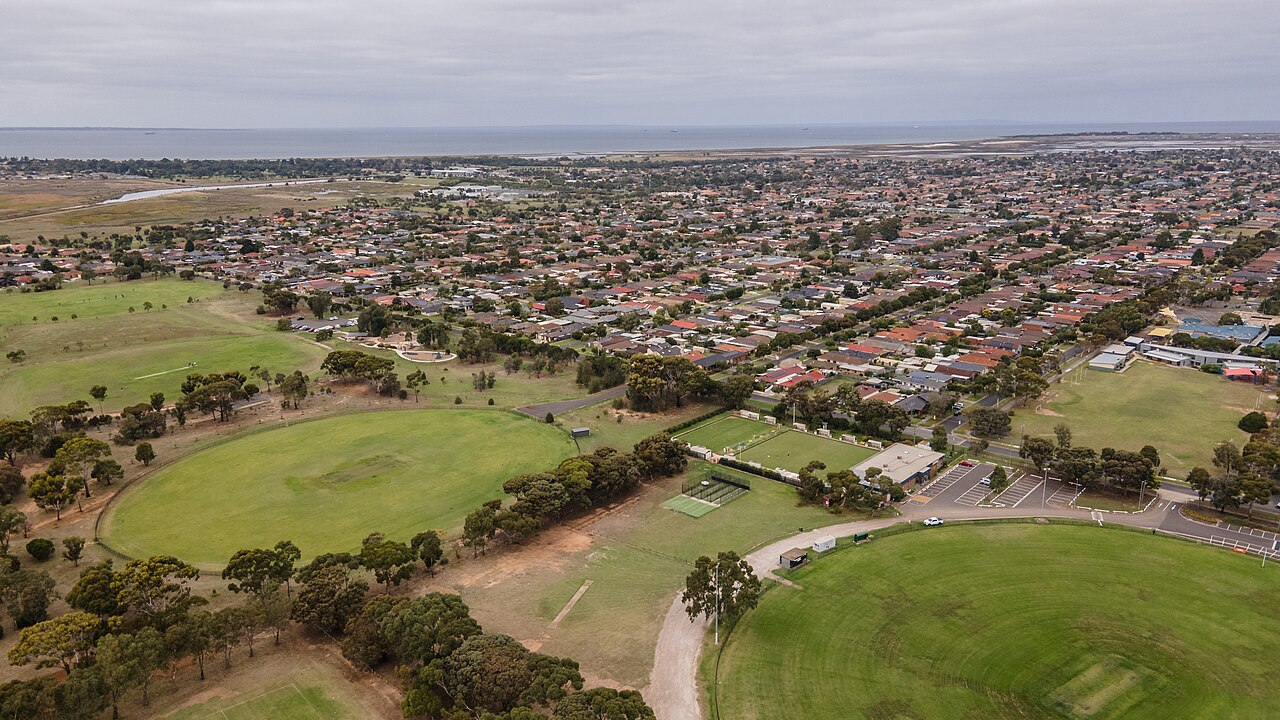
For pizza and daily convenience, favour the pockets that keep you close to Williams Landing station, Overton Road, Clark Street, and Williams Landing Boulevard. That is where the suburb feels most functional: train access, supermarket-style errands, takeaway runs, and quicker exits toward Palmers Road and the freeway. The Jolly Miller Cafe and Flames at 100 Overton Road give you a useful anchor point for where the local food action actually sits. It is not a long strip, and it is not a proper night-time dining precinct, but being near it reduces the number of small car trips that start to wear thin.
If you are inspecting deeper residential streets, the upside is space and newer housing. The downside is dependency. Some parts of Williams Landing feel close on a map but become awkward once you factor in arterial crossings, school-time traffic, and the reality of carrying groceries or takeaway in bad weather. Streets feeding into the station side are generally easier for commuters; pockets further from the station suit households with two cars and more patience. Gadwell Crescent is useful as a reference point because Oporto sits there, but do not mistake one fast-food option for a broad food scene.
Noise is uneven. Homes closer to major roads and freeway approaches can pick up tyre noise, especially at night and in wet weather. Station-adjacent apartments can be convenient but may mean more traffic movement, delivery vehicles, and visitor-parking pressure. Parking is one of the suburb’s quiet gotchas: many newer places look generous until multiple adults, guests, and work vehicles are involved. Check actual garage dimensions, visitor rules, and street restrictions before assuming a two-car household will be fine.
The first honest gotcha: Williams Landing sells convenience, but much of that convenience is car-shaped. If you do not drive, your usable suburb is narrower than the postcode. The second gotcha: the pizza gap is real. You can live well here, but a serious pizza night will usually mean ordering from outside the suburb or driving to a neighbouring centre. That is not a disaster, but it should be priced into your expectations before you move.
Signature Craving
The signature Williams Landing craving is not pizza; it is the moment you admit you need a practical feed and stop pretending the suburb has a deep slice culture. The Jolly Miller Cafe at 100 Overton Road is the more honest local marker: it is where the suburb’s convenience-food centre of gravity sits, and it tells you more about Williams Landing than a forced pizza ranking would. Nearby Flames covers kebab and chicken cravings, while Oporto at 4 Gadwell Crescent handles fast Portuguese-style chicken. For actual pizza, the smarter move is to look beyond the suburb boundary and judge delivery radius, pickup time, and whether the base survives the drive. Williams Landing’s food identity is functional, commuter-friendly, and thin after dark. The craving is less “find the best pizza on the corner” and more “know when to leave the suburb for the thing you actually want.”
Comparisons Table
| Suburb | Transport | Tier | Region |
|---|---|---|---|
| Williams Landing | B+ | West | outer-west |
| Cocoroc | N/A | West | outer-west |
| Hoppers Crossing | C+ | West | outer-west |
| Laverton | N/A | West | outer-west |
Trust Block
Author: Lina Park — Melbourne food writer covering Asian cuisine and outer-west neighbourhoods suburb by suburb.
Data: data/melbourne_suburbs_master.json (Codex per-LGA enumeration, cross-checked vs VEC + Australia Post + ABS SA2 boundaries), data/suburb_scores.json (composite percentile grades), data/venues/.json (OpenStreetMap + Gemini-verified venue catalog).
Last reviewed: 2026-05-26. Not financial advice. We do not accept paid placements in editorial.
FAQ
Q: Is Williams Landing good for pizza in 2026? A: Not really. Williams Landing is fine for everyday convenience food, coffee, chicken, kebabs, and quick takeaway, but it does not have the density or specialist operators needed for a credible best-pizza scene. If you live near Overton Road or the station, you will have enough nearby food to get through a week, but a proper pizza night usually means ordering from outside the suburb or driving to a neighbouring area. The honest verdict is that Williams Landing works better as a residential base than a food destination.
Q: Where should I live in Williams Landing if food access matters? A: Prioritise the station side, Overton Road, Clark Street, and Williams Landing Boulevard if you want the least friction. That pocket gives you the best access to the suburb’s limited food options, the train, and day-to-day errands. It still will not feel like an established dining strip, but it reduces the number of small car trips. If you move deeper into the residential estates, you may get more space and quieter streets, but your takeaway and cafe life becomes more car-dependent.
Q: Is the Williams Landing food scene improving? A: It has become more useful as the suburb has matured, but improvement does not mean depth. The area now has practical anchors around Overton Road and nearby retail pockets, yet the mix is still heavily shaped by commuter demand and quick meals. That supports cafes, fast food, and takeaway better than niche restaurants. Pizza may improve if more operators decide the local catchment is large enough, but in 2026 the suburb still lacks the concentration needed for strong comparison shopping.
Q: Should I move to Williams Landing if I do not drive? A: Only if you choose your address carefully. Williams Landing station is a major advantage, and living within a comfortable walk of it can make the suburb workable without daily driving. But the further you move from the station and Overton Road, the more limited the suburb feels. Food, late errands, and social plans become harder without a car. For a non-driver, a cheaper rental deeper in the estate can become a false economy once you count time, weather, delivery fees, and missed convenience.
Q: What is the biggest local gotcha for renters? A: The biggest gotcha is assuming newer housing automatically means easy living. Some homes and apartments look clean and efficient at inspection, but the daily details matter: parking, garage size, visitor rules, station walking distance, traffic at school and peak times, and whether the kitchen layout suits real cooking. If you care about pizza and eating out, also test delivery apps at the exact address before applying. Williams Landing can be convenient, but convenience varies sharply from street to street.
Q: Is Williams Landing better than Point Cook for food? A: For food choice, Point Cook generally has the edge because it has more established retail and dining gravity. Williams Landing is stronger if your priority is train access and a tighter commute pattern, especially near the station. The trade is clear: Williams Landing gives you transport logic, newer housing, and quick freeway movement, while Point Cook usually gives you more places to eat. If pizza is a regular part of your week, do not judge Williams Landing in isolation; compare the actual pickup and delivery options across both suburbs.
Q: Is Williams Landing family-friendly despite the weak pizza scene? A: Yes, for many households. The suburb’s appeal is not built around dining; it is built around housing stock, road access, station access, and a suburban routine that suits families who plan their week. Children’s activities, school runs, and grocery logistics may matter more than late-night pizza. The weak point is spontaneity. If your family likes walking to dinner or rotating through several local eateries, Williams Landing may feel thin. If you mostly cook, drive, and value space, it can still make sense.
Q: How does rent change the pizza verdict? A: Rent changes the verdict because Williams Landing is not cheap enough to ignore lifestyle compromises completely. A 1BR renter paying for a station-area apartment should ask what they get beyond transport access. If the answer is mostly newer finishes and a shorter commute, that may be enough. If they also expect a strong local food strip, they may feel short-changed. The rent can be rational for commuters, but it is less persuasive for renters choosing a suburb around restaurants, nightlife, or walkable weekend eating.
Q: What should I check before signing a lease in Williams Landing? A: Inspect the street at the times you will actually use it: weekday morning, evening peak, and after dark. Check the walk to the station, not just the distance on the listing. Confirm parking rules, garage size, heating and cooling, mobile reception, delivery coverage, and how long it takes to reach Overton Road or the closest proper supermarket run. If pizza matters, test the delivery radius for your preferred operators before applying. The suburb rewards practical due diligence more than romantic suburb shopping.