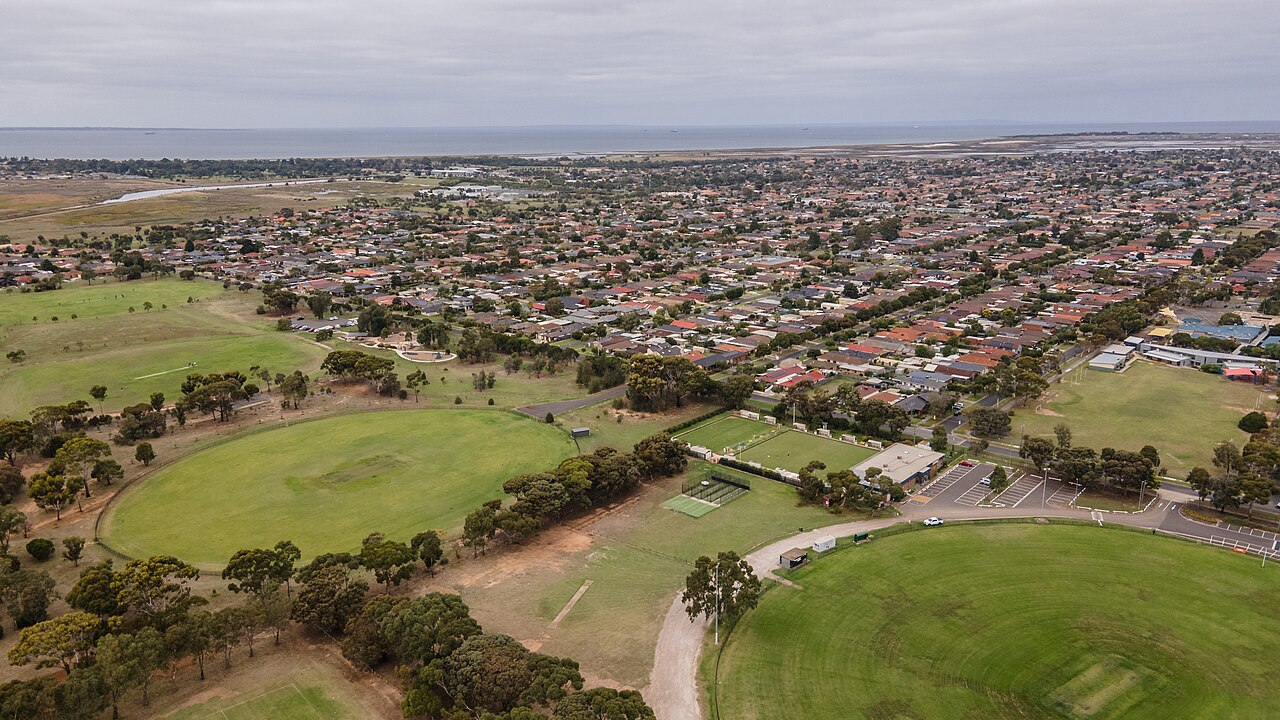
You are retiring, or about to downsize, and Williams Landing looks practical on paper. The real question is whether daily life feels easy once the car keys matter less. Here is the honest call on whether it works for retirees.
The Verdict
Williams Landing works best for retirees who want connection without the retirement-village bubble. If you only read one thing, make it this: choose a quieter pocket within walking distance of the main strip, not the busiest street and not the prettiest listing that leaves you driving for every small errand. The suburb’s strength is not postcard charm. It is the boring stuff that matters more in retirement: shops close enough for a normal walk, cafes where you can become a regular, chemists and basic services nearby, and public transport that keeps the city and appointments within reach.
The downsizer sweet spot is a unit, townhouse, or apartment near the local shopping strip, because that gives you the best version of Williams Landing: coffee without planning, supermarket runs without making it a whole outing, and enough street activity that you do not feel cut off. Compared with chasing more space on a quieter edge, this is the option that protects your independence. Compared with Point Cook, Laverton, or Hoppers Crossing, Williams Landing makes sense if you want a newer-feeling suburb with daily needs clustered close together rather than a place where every trip becomes a drive. Do not pick the biggest home with the biggest garden just because it feels familiar after a family house. You may get more space, but you will likely lose the walkable routine that makes Williams Landing worth choosing.
What It’s Actually Like
The day-to-day version of Williams Landing is mixed in the way most useful suburbs are mixed. Around the main strip and local shopping strip, it can feel busy during cafe hours, school-run style movement, and weekend errands. Parking near the shops can be competitive at those times, so retirees who hate circling for a space should either walk when they can or choose a home close enough that the car stays in the driveway for basic needs. A block or two off the active streets, the suburb settles down quickly. That is where the better retirement fit usually sits: close enough to walk in for the supermarket, chemist, post office, and coffee, but not so close that traffic noise becomes the soundtrack.
Williams Landing also has the social texture retirees often look for but do not want oversold. The cafes, park regulars, community groups, and familiar faces around the shops give it some genuine warmth. It is not a sleepy country town, and it is not built only around retirees, which is partly the point. You will see families, commuters, cafe regulars, and people doing normal weekday errands. That mix helps prevent the isolated feeling that can creep into quieter suburbs. The footpaths are generally practical for daily walking, and the streets feel safe during the day and early evening. For specialist healthcare you may still need to travel beyond Williams Landing, and that matters. If regular specialist appointments are already part of your week, check the route before falling in love with a floorplan. If you are west of the most convenient shops and services, or you already spend more time in Point Cook or Hoppers Crossing, one of those neighbouring suburbs may be the more practical base.
Skip Williams Landing if your idea of retirement is deep quiet, a large garden, and no weekend crowds. The suburb can do calm, but it does not do rural stillness. Its better promise is simple: you can stay part of a real Melbourne suburb, keep daily needs close, and avoid feeling boxed in.
Who This Suits
If you are a downsizer leaving a larger family home, pick a smaller townhouse, unit, or apartment near the main strip so the move actually makes life easier. If you are a retiree who still goes into the city, keep public transport access high on the list and do not trade it away for a nicer kitchen. If you are a cafe-and-walks person, choose the quieter streets just off the busier areas so you can get the community feel without the noise. If you are a privacy-first retiree who wants garden space and very little movement around you, look carefully at the quieter residential pockets, but be honest about whether you are making yourself car-dependent. If you rely on regular specialist care, map your appointments before deciding, because general practitioners, chemists, and medical centres are accessible locally, but specialist care may mean travel.
Cost expectations are less about one magic number and more about the trade-off you are buying. Homes closest to the most useful services are usually the ones retirees should value most, even if they are smaller. Bigger homes with gardens can be harder to secure and may not be the smartest retirement purchase if maintenance becomes a burden. Apartments and smaller townhouses can suit downsizers well, especially if they reduce cleaning, gardening, and driving. Budget for the convenience premium of being near shops, cafes, and transport rather than only comparing bedrooms and land size.
Time of day changes the suburb. Weekday mornings and cafe hours have the most useful energy, while evenings are generally quieter. Weekends around popular shopping and eating spots can feel crowded, and parking becomes more annoying. If you are testing Williams Landing, do not inspect it once on a sunny weekday and call the job done. Walk the main strip on a weekday morning, come back near the shops on a Saturday, and then check the quieter streets in the early evening. That tells you far more than a real estate listing.
What to Do Next
Walk Williams Landing on a Saturday morning, then again on a quiet weekday, before you commit. If the daily rhythm feels right, read the full Williams Landing suburb guide and choose location over spare bedrooms.