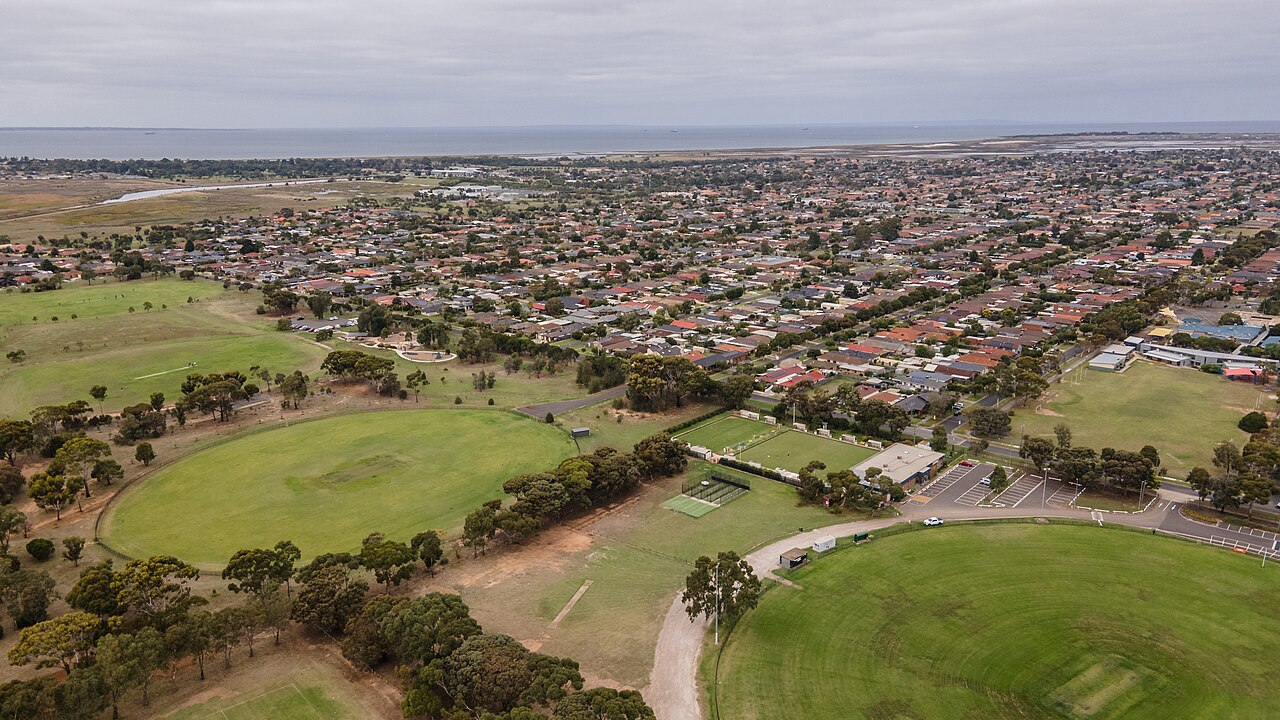
You are young, working, and trying to work out if Williams Landing will feel connected or just convenient. The short answer: it suits professionals who want a manageable commute, workable rent options, and enough local life without paying inner-city prices.
The Verdict
Williams Landing is the pick if your priority is a balanced workweek: reasonable CBD access, local food and drink options, and rental choices that do not force you into a tiny inner-city box. It is not the cheapest suburb in the west, and it is not pretending to be Fitzroy after dark. But for a young professional who wants to get to work, get home, grab dinner, see friends, and not feel stranded, it makes sense.
The strongest reason to consider it is the commute. The original appeal here is that Williams Landing gives you public transport options into the CBD without turning every office day into a punishment. Peak hour still adds time, obviously, but this is the kind of commute where a gym session before work or an after-work drink is still realistic. The second reason is lifestyle range. You have cafes, restaurants, casual bars, and weekend options locally, plus Point Cook, Laverton, and Hoppers Crossing close enough to widen the map. The third reason is rental flexibility: apartments, share houses, units, studios, one-bedders, and two-bedders all exist, so you can choose whether you care more about privacy, space, or saving cash.
The trade-off is that the good rentals move quickly and the suburb is not a bargain-bin secret anymore. Do not rent the first place you see just because it is near the action - if your bedroom faces a busy main street and you hate noise, you will regret it.
What It’s Actually Like
Williams Landing works best when you treat it as a practical base with enough local life attached, not as a suburb built purely around nightlife. Thursdays and Fridays are when the after-work scene has the most energy. Weeknights are quieter, but the useful thing is that you can still find somewhere open with a decent atmosphere rather than defaulting to home every night. The local strip does the heavy lifting: cafes, restaurants, bars, and the places where you can turn a workday into a low-effort dinner without planning your whole evening around it.
Parking is the part to think about before you sign a lease. If you own a car, check the exact building, street, and visitor parking setup instead of assuming it will sort itself out. A lot of young professionals may not bother with a car, but if you do, it can become a daily irritation. Weekend brunch queues are another small reality check. The popular spots can get busy, so going late and expecting a quick table is not always the move. Some venues also close earlier than you might want, which matters if your idea of a suburb with energy includes late-night options.
The local map matters too. If your life is pointed toward the CBD, Williams Landing is a logical base. If you spend more time west of the suburb, you may end up looking toward Point Cook, Laverton, or Hoppers Crossing depending on friends, work, and weekend routines. Skip this if you need dense inner-city nightlife every night of the week. Williams Landing has energy, but it is controlled energy - useful, social, and practical rather than chaotic.
Who This Suits
If you are a CBD commuter, pick Williams Landing for the manageable work access and the ability to still have a life after the train ride home. If you are a social renter, look close to the main strip, but be picky about noise and parking before you apply. If you are a couple renting together, a two-bedder gives you breathing room without needing to leave the suburb. If you are a solo renter, studios and one-bedders make sense when you value your own space more than the cheapest possible weekly rent. If you are chasing constant nightlife, look elsewhere or plan to travel for bigger nights out.
Cost-wise, expect the rental market to be active rather than relaxed. You are not getting a penthouse for $300 a week, and the better homes do not sit around waiting while you think for a fortnight. Share houses can be the pressure-release valve, especially if you are trying to keep costs controlled while staying close to transport and local food. Studios and one-bedders suit solo renters who want control over their space, while two-bedders are better for couples or friends who need proper separation between work, sleep, and living zones.
Timing changes the experience. Thursday and Friday suit after-work plans because the suburb has more people out and the atmosphere lifts. Earlier weeknights are better if you want dinner without noise or effort. Weekends are useful but not effortless: brunch queues can bite, parking can get annoying, and the more popular places are not always built for lazy late starts. In rental season, move quickly. Have documents ready, inspect fast, and do not assume the good place you saw today will still be available next week.
What to Do Next
Walk the main strip on a Thursday after work, then check the commute you would actually take the next morning. If it still feels easy, read the Williams Landing Transport Guide before applying for rentals.