Verdict Box
Williamstown is expensive because it sells a very specific daily life: bay walks, three rail stations across the suburb, old streets with heritage houses, Nelson Place dining, Williamstown Beach, schools, sailing clubs and a CBD view that still feels like a real place rather than a marketing board.
That does not make it poor value. It does mean the numbers punish vague budgeting. If you are arriving from a cheaper western suburb and expecting the same weekly spend with nicer scenery, the gap will show up fast: rent first, then weekend food, parking friction, old-house heating and cooling, and the temptation to turn every walk along Nelson Place into a paid stop.
For renters, Williamstown works best when the commute saving is real, the beach is used often, and the household has enough income to absorb a high base rent without cutting every social choice. For buyers, it is a lifestyle-and-land decision more than a yield play. The suburb has scarcity, bay frontage and character stock, but the entry cost means the mortgage has to be carried for reasons beyond spreadsheet neatness.
The honest local verdict: Williamstown is worth paying for if you will actually live its outdoor rhythm. It is a poor choice if you only want a postcode with status, a large modern home for the money, or a low-maintenance rental where every dollar stretches.
At-a-Glance Table
| Cost line | 2026 local reality |
|---|---|
| Rent pressure | High for houses and quality units; limited supply keeps inspections competitive. |
| Buying pressure | Premium inner-west bay market; smaller homes still carry serious entry prices. |
| Transport | Train access helps, but some pockets still reward a car. |
| Groceries | Normal supermarket costs, plus a premium on convenience and foreshore spending. |
| Eating out | Easy to overspend around Nelson Place, Ferguson Street and waterfront venues. |
| Parking | Fine off-peak, annoying around beach weather, events and weekend dining. |
| Best budget fit | Couples, downsizers, established professionals, and families who use the bay daily. |
| Worst budget fit | Renters chasing cheap space, car-heavy households, and buyers needing maximum bedrooms. |
Who It Suits
The Bay-First Professional — pays more rent because a daily foreshore walk replaces a gym, a second car, or a longer commute.
Priya, 41, school-zone realist — wants established streets, primary schools, parks and rail, but checks the mortgage against old-house maintenance before falling for the facade.
The Downsizing Local — trades land size for walkability, familiar shops, medical access, cafes and water without moving into a tower-heavy area.
Marcus, 38, hospo-adjacent — likes good venues but knows that Nelson Place can turn a simple weekend into a $90 habit.
Rent & Property Reality
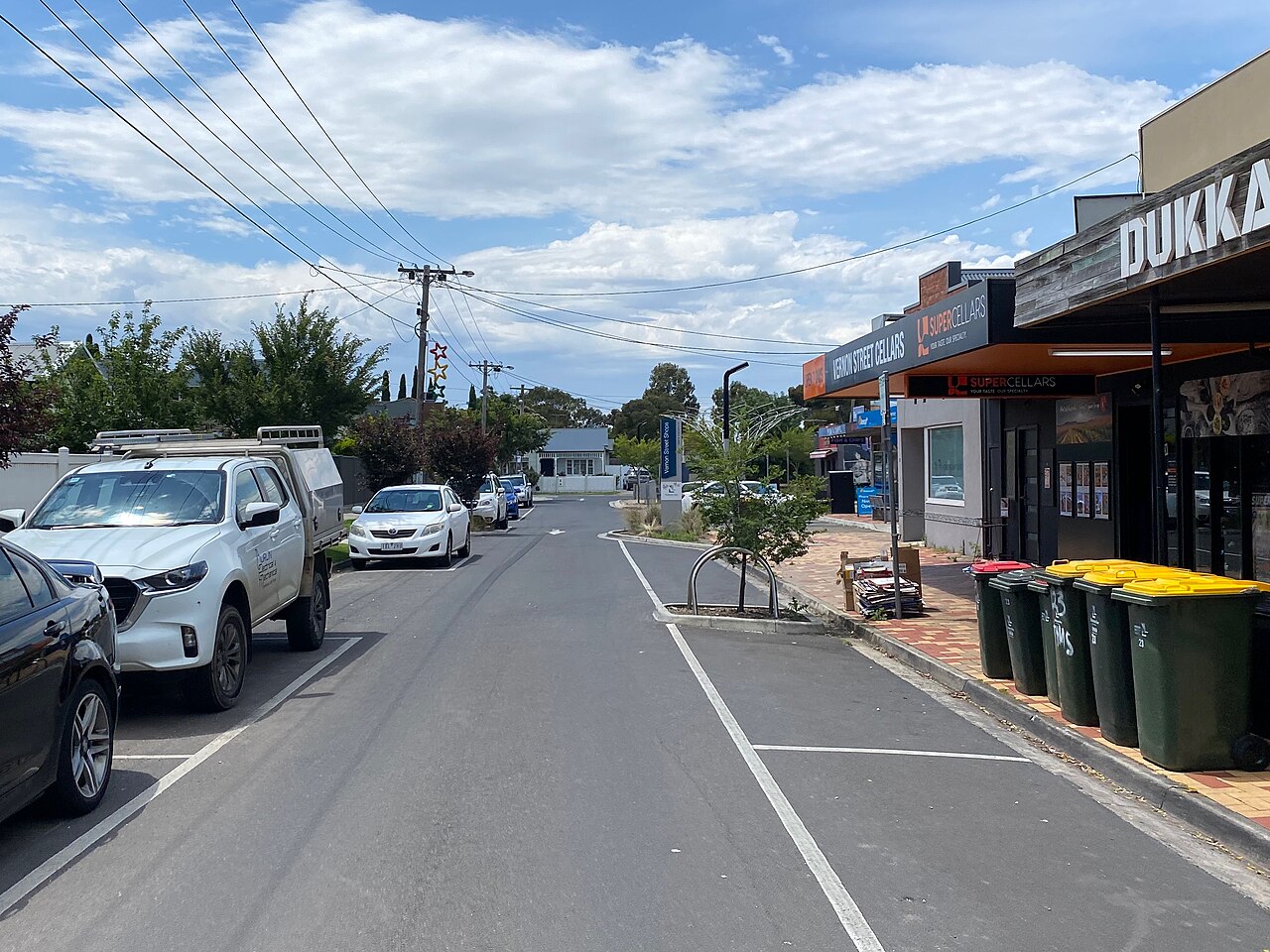
The first thing to understand is that Williamstown is not priced like the broad western suburbs. It is priced like a scarce coastal village with a rail line, heritage housing, beach access and city proximity. The suburb sits inside Hobsons Bay, but its market behaves differently from inland neighbours because the most desired pockets are finite: near the beach, near The Strand, near Ferguson Street, near Williamstown station, and around the older residential grid.
For property context, Domain’s suburb profile for Williamstown VIC 3016 shows the area as a high-value market with house medians well into seven figures, while the ABS 2021 Census QuickStats recorded a median weekly household income of $2,382, median monthly mortgage repayments of $2,600 and median weekly rent of $450 at the time of that Census. Those Census rent figures are now useful only as a baseline, not a current rental expectation, because the post-2021 rental market has moved hard.
By 2026, the lived rental reality is that a basic older unit can still be the least painful way in, but renovated apartments, townhouses and family houses push quickly into premium territory. Houses near the water, Williamstown Beach, The Strand or easy rail are the ones that make newcomers reassess what “westside value” means. You can sometimes save by looking closer to Williamstown North, Kororoit Creek Road, industrial edges, or busier approach roads, but the saving usually comes with a trade: less postcard amenity, more traffic noise, fewer bay views, or a longer walk to the part of Williamstown people imagine when they say the suburb name.
Buying has the same issue in sharper form. A small period home may be charming, but charm can come with restumping, roof work, damp, draughts, heritage overlay limits, tight parking and renovation costs that do not care how pretty the street is. A newer townhouse may reduce maintenance risk, but strata, reduced land component and less character can change the long-term value equation. Apartments around Nelson Place and the waterfront can be compelling for lifestyle, yet owners corporation fees, lift maintenance, cladding history, short-stay rules and parking entitlement need to be checked line by line.
The practical budget test is simple: if the rent or mortgage only works when every other cost behaves perfectly, Williamstown will feel tight. If your household can carry the housing cost and still pay for transport, utilities, insurance, maintenance, school needs, healthcare, eating out and a buffer, the suburb gives back in daily amenity.
Local Reality & Pockets
Williamstown is not one single cost profile. The pocket you choose changes how much you spend and how often you use the suburb’s advantages.
Around Nelson Place, Gem Pier and Commonwealth Reserve, the cost is convenience and temptation. You are close to the waterfront, views, ferries, restaurants and weekend foot traffic. You are also close to the places where visitors compete for space. Hobsons Bay Council notes that Commonwealth Reserve sits on the foreshore beside Gem Pier, with weekend parking options including the Tenix car park further along Nelson Place. That detail matters because living near a visitor magnet is different from visiting one. Noise, parking turnover and event-day movement become part of the weekly texture.
The Williamstown Beach pocket has a different premium. It is less about dining at your door and more about sand, swimming, walks and the train. Council describes Williamstown Beach as being along the Hobsons Bay Coastal Trail, within a 10-minute walk of public transport, with metered street parking. For a household that swims, walks or runs most days, that premium can replace other spending. For a household that only goes to the beach twice a year, it is a very expensive backdrop.
Ferguson Street and Douglas Parade are more practical. This is where the suburb feels like a working local strip rather than a visitor route: supermarkets, chemists, takeaway, medical services, schools nearby and the train within reach. It is often the best compromise for people who want Williamstown without making every daily errand orbit the waterfront.
The Strand is a prestige pocket and should be budgeted that way. Views, large homes and waterfront positioning create a market that can detach from ordinary suburb comparisons. If you are renting or buying there, you are paying for a scarce outlook as much as bricks.
Williamstown North and the edges toward Newport can be more pragmatic. They may offer better value, faster access to the West Gate Freeway or Newport interchange, and less weekend visitor pressure. The trade is that they do not always deliver the walk-out-the-door bay life people picture. For many households, that trade is sensible. For others, it defeats the point of paying for Williamstown.
Transport is better than many coastal suburbs because the Williamstown line gives access through North Williamstown, Williamstown Beach and Williamstown. Still, the train is not a magic fix for every trip. Cross-suburb movement, school runs, sport, late-night work and trips to Altona, Yarraville or the east often still pull a car into the budget. Council’s sustainable transport information also points residents to public transport connections and notes EV charging at the Hobsons Bay Visitor Centre on Nelson Place, which is useful but not a substitute for checking your own weekly travel map.
Signature Craving
The Williamstown cost-of-living trap is not groceries. It is casual pleasure.
A coffee after the beach. Fish and chips because the water is right there. A drink after work because the view is better than your lounge room. A family lunch where the bill is twice what you planned because nobody wants to rush off. That is how Williamstown extracts money without feeling reckless.
The signature craving is a water-facing meal at Sebastian Beach Grill & Bar near Williamstown Beach. It captures the suburb’s spending psychology perfectly: you are not just buying food, you are buying the location, the salt air, the walk before or after, and the sense that staying local is better than going elsewhere. That can be worth it. It can also become the reason your “we will be sensible this month” plan fails by the second Sunday.
Nelson Place offers the same pattern through venues such as Customs House Hotel, Pelicans Landing and the waterfront run around Gem Pier. None of this is a problem if it is budgeted. It becomes a problem when you price Williamstown like a normal suburb and then live it like a weekend destination.
The cheaper local play is to separate the view from the transaction. Walk The Strand with coffee from Ferguson Street. Use Commonwealth Reserve without turning every stop into lunch. Swim at Williamstown Beach and bring food. Save the bigger waterfront spend for when it is actually the point of the day.
Comparisons Table
| Suburb | Cost difference vs Williamstown | What you gain | What you give up |
|---|---|---|---|
| Newport | Usually cheaper for comparable housing, though not cheap | Better interchange access, practical shops, strong rail links | Less beach identity and fewer waterfront streets |
| Spotswood | Often better value for city access | Shorter CBD distance, village strip, Scienceworks side amenity | Smaller suburb feel and less bay lifestyle |
| Altona | Can offer better value near the water | Longer beach, more relaxed coastal layout, family practicality | Further from CBD and less heritage prestige |
| Yarraville | Similar inner-west premium in sought-after pockets | Strong village centre, cinema, cafes, city access | No beach, different parking and crowd pressure |
Trust Block
Author: Marcus Cole
Method: This article uses a 2026 cost-of-living lens: current property portals for market direction, ABS Census baselines for demographic context, Hobsons Bay Council pages for local infrastructure, and named local venues to ground the daily spending reality.
Locality check: Williamstown is assessed as a bay suburb with separate pockets, not as a generic western suburb. Waterfront streets, beach access, rail proximity and older housing stock all change the budget.
Data caution: Property and rent figures move faster than Census data. Treat exact listings as live market evidence and older official data as context.
Review cycle: Next review is scheduled for July 2026, with rent, venue and council-link checks refreshed first.
FAQ
Q: Is Williamstown expensive to live in during 2026?
A: Yes. It is expensive by western suburb standards because the suburb combines beach access, rail, heritage housing, waterfront dining and limited supply. The weekly pressure is not only rent; it is the whole lifestyle around it.
Q: Is Williamstown cheaper than inner-east or bayside suburbs?
A: Often cheaper than elite eastern bayside pockets, but that does not make it cheap. Good houses, renovated townhouses and waterfront apartments still require serious income.
Q: Can renters still find value in Williamstown?
A: Yes, but value usually means accepting an older unit, a less polished finish, a smaller floor plan, or a pocket further from the waterfront. The dream version of Williamstown is rarely the budget version.
Q: Which pocket is best for controlling costs?
A: Look around Williamstown North, parts closer to Newport, or practical streets away from Nelson Place and the beach. You may lose some charm, but you can reduce the premium attached to views and visitor amenity.
Q: Do you need a car in Williamstown?
A: Some households can manage with one car or none if work, school and shopping align with the train and local shops. Families with sport, cross-town work or late shifts usually still need at least one vehicle.
Q: Is parking a real cost issue?
A: It can be. The direct cost is metered or restricted parking in some areas; the indirect cost is time and frustration around beach days, events and weekend waterfront dining.
Q: Is buying in Williamstown a good investment?
A: It can be a strong long-term lifestyle asset because land and bay access are scarce, but the high entry price can reduce rental yield. Buyers should stress-test repayments and maintenance rather than relying on suburb reputation.
Q: What hidden costs should newcomers watch?
A: Older homes can bring heating, cooling, roofing, damp, insulation and maintenance costs. Waterfront and apartment properties can add owners corporation fees, insurance and parking constraints.
Q: Is Williamstown good for families on a budget?
A: It can work for established families with stable income, but it is not a budget family suburb. Larger homes cost more, and the local lifestyle encourages spending unless the household is disciplined.
Q: Is Altona better value than Williamstown?
A: Often, yes. Altona can give you beach access for less money, though it is further from the CBD and does not have the same heritage streets or Nelson Place waterfront setting.
Q: Is Newport the smarter compromise?
A: For many commuters, yes. Newport can be more practical because of rail connections and shops, while still keeping Williamstown close for beach and dining. It is the suburb to compare before paying the full Williamstown premium.