Verdict Box
Honest reality: Winter Melbourne 2026 Survival Guide is not a suburb, and it should not be written like one. Treat this page as a cold-weather brunch filter for central and inner Melbourne, not a promise that one neat local strip has 15 walkable winners. The contrarian truth is that winter brunch here is less about chasing rankings and more about choosing the least annoying version of a wet Saturday: a room with heating, staff who can turn tables without rushing you, and transport that does not punish you for leaving the house.
Best for: renters, students, office workers and weekend couples already moving through the CBD, Carlton, Fitzroy, Collingwood, Southbank or Richmond.
Skip if: you want easy parking, pram-wide footpaths everywhere, or a quiet suburban cafe crawl.
Rent pressure: high for singles because the 1-bed market has been squeezed hard.
Commute reality: trains and trams beat driving in winter.
Food scene: strong nearby, but uneven by street.
Family fit: decent for early brunch, worse after 11 am.
Overall score: 7/10.
At-a-Glance Table
| Factor | Winter Melbourne 2026 Survival Guide 2026 |
|---|---|
| LGA | n/a |
| Postcode | n/a |
| Geographic tier | n/a |
| Region | n/a |
| Transport grade | n/a |
| Overall grade | n/a |
Who It Suits
Mina, 29, CBD renter — wants a heated cafe within a tram ride, not a 40-minute queue in sideways rain. The Shift Worker — needs reliable late-morning food near stations, hospitals, universities and office towers. Sam and Priya, new parents — will trade Instagram plating for pram access, fast coffee and somewhere dry to wait.
Rent & Property Reality
Median 1BR rent: $490/week, +20.8% YoY for a 1-bedroom flat across Metropolitan Melbourne, according to the March 2026 Homes Victoria rental data reported through Homes Victoria. Domain’s March 2026 rental report also shows the wider Melbourne unit median at $600/week, up 4.3% over the quarter, via Domain. Those two numbers matter because this article is not tied to a gazetted suburb. There is no legitimate Winter Melbourne 2026 Survival Guide postcode where a clean suburb-level 1BR median can be quoted. The honest way to read the rent pressure is to use metropolitan one-bedroom flats as the baseline, then adjust sharply upward for the CBD, Docklands, Southbank, Carlton, Fitzroy, Collingwood and Richmond.
In plain language: $490/week is the floor for the kind of renter this guide is really speaking to, not the comfortable target. If you want to live close enough to brunch districts that winter rain does not turn every outing into a planning exercise, you should expect the asking price to drift above the metro 1-bed benchmark. Older walk-ups, compact studios, student-heavy blocks and apartments without parking may sit closer to the baseline. Better-insulated apartments near Parliament, Melbourne Central, Flagstaff, Southern Cross, Richmond or Collingwood stations can push much higher because they solve the two winter problems renters actually feel: warmth and friction.
The YoY jump also changes the brunch budget. A renter paying $490/week is handing over roughly $25,480 a year before utilities, transport and groceries. Add one or two weekend brunches at $28 to $40 a head and the weekly treat becomes visible in the budget rather than harmless background spending. That does not mean brunch is irrational; it means the worthwhile venues are the ones that replace a full morning out, not just a plate of eggs. Look for places near tram corridors, train stations and covered shopping strips where you can combine coffee, groceries, errands and a walk home without paying for rideshare. Winter Melbourne rewards convenience more than novelty.
Local Reality & Pockets
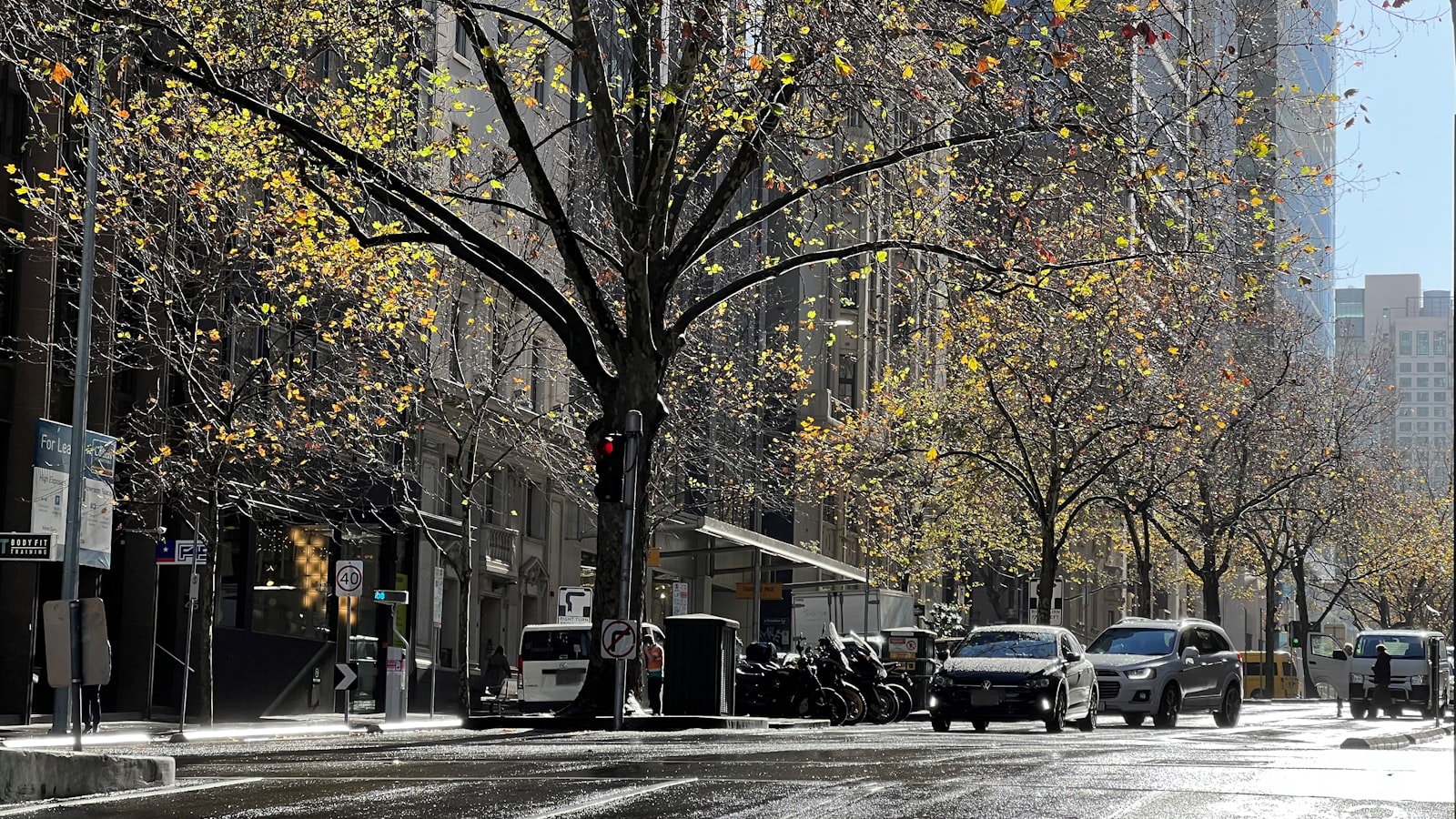
The local reality is awkward because Winter Melbourne 2026 Survival Guide is a seasonal article slug, not a suburb with a clear boundary, council profile or venue catalogue. So the useful geography is practical rather than administrative: favour streets that keep you connected when the weather turns. In the CBD, Swanston Street, Elizabeth Street, Queen Street and Flinders Street work best when you are moving by tram or train, but they are weaker for anyone trying to park or linger. Around the legal and hospital edges, William Street, Lonsdale Street, Victoria Street and Grattan Street can be better for a weekday brunch because the customer base is more functional and turnover is faster. Southbank and Docklands look close on a map, but in winter the wind exposure along the river and harbour can make a short walk feel longer than it is.
If you are choosing where to stay, rent or meet friends, favour pockets close to Melbourne Central, Parliament, Flagstaff, Southern Cross, Richmond, Collingwood, North Melbourne and Carlton tram corridors. These areas give you multiple exit routes if one tram line stalls or the rain arrives hard. Avoid making King Street, Spencer Street or the exposed Docklands waterfront your default brunch base unless the venue is the destination; traffic noise, wind tunnels and event-day crowding can make the experience feel more like transit than eating.
Parking is the first gotcha. Central Melbourne parking is expensive, time-limited and often separated from the cafe by wet footpaths or construction detours. A cheap-looking brunch can become a $70 outing once parking is counted. The second gotcha is winter seating. Many venues advertise outdoor capacity that is technically available but miserable in July wind, even with heaters. Book indoor tables where possible, check whether prams can fit before inviting family, and do not assume a cafe near a tram stop will be quiet. Tram bends, delivery zones, garbage collection and apartment construction can make otherwise good streets harsh before midday.
Signature Craving
Honest craving reality: there is no reliable venue catalogue for this article slug, so pretending Winter Melbourne 2026 Survival Guide has its own brunch strip would be fake local knowledge. The useful move is to anchor the recommendation in a real nearby Melbourne venue and explain the behaviour around it. Operator25 on Wills Street in the CBD is the kind of winter brunch pick that makes sense when you are already near Flagstaff, Melbourne Central or Queen Victoria Market and want shelter, coffee, eggs and Asian-leaning brunch without committing to a long cross-town plan. It is not the only answer, and it will not solve weekend crowding, but it fits the cold-weather brief: central, reachable, warm and practical. The smarter order is the one that gets you fed quickly, then back onto a tram before the weather changes again.
Comparisons Table
| Suburb | Transport | Tier | Region |
|---|---|---|---|
| Winter Melbourne 2026 Survival Guide | n/a | n/a | n/a |
| Fitzroy | C | Inner | inner-north |
| St Kilda | B | Inner | inner-south |
| Brunswick | A+ | North | middle-north |
Trust Block
Author: Lina Park — Melbourne food writer covering Asian cuisine and outer-west neighbourhoods suburb by suburb.
Data: data/melbourne_suburbs_master.json (Codex per-LGA enumeration, cross-checked vs VEC + Australia Post + ABS SA2 boundaries), data/suburb_scores.json (composite percentile grades), data/venues/.json (OpenStreetMap + Gemini-verified venue catalog).
Last reviewed: 2026-05-25. Not financial advice. We do not accept paid placements in editorial.
FAQ
Q: Is Winter Melbourne 2026 Survival Guide actually a suburb? A: No. Treat it as a seasonal Melbourne guide page, not a suburb profile. That distinction matters because there is no official boundary, postcode, council data set or local shopping strip called Winter Melbourne 2026 Survival Guide. Any article pretending otherwise would be inventing local detail. The honest frame is central and inner Melbourne in winter: CBD, Carlton, Fitzroy, Collingwood, Richmond, Southbank, Docklands and nearby train-linked pockets where brunch decisions depend on weather, rent pressure, transport and whether the venue has enough indoor seating.
Q: Where should I base myself for winter brunch without a car? A: Base yourself near a train station or a dense tram spine rather than a single cafe. Melbourne Central, Parliament, Flagstaff, Southern Cross, Richmond, Collingwood and North Melbourne are stronger anchors because they give you options if rain, delays or queues ruin Plan A. Swanston Street and Elizabeth Street are practical for tram movement, while Carlton and Fitzroy reward walking only when the weather is mild. In winter, the best brunch location is often the one with the easiest exit, not the one with the prettiest menu.
Q: Is driving to brunch in central Melbourne worth it in winter? A: Usually not, unless you are going early, travelling with kids or heading to a venue with known nearby parking. Central Melbourne parking is expensive, time-limited and can leave you walking several wet blocks anyway. Event days around Docklands, Southbank, the MCG and the Arts Precinct can also distort traffic without warning. If you are choosing between a slightly less famous cafe beside a station and a better-known one that needs parking, the station-adjacent option often wins in winter because the whole outing is easier.
Q: What time should I go for brunch in winter 2026? A: Aim for either before 9:30 am or after 1 pm. The 10 am to noon window is when queues, prams, group bookings and slow table turnover collide, especially on cold or wet weekends when nobody wants outdoor seating. Early visits suit serious coffee and quieter rooms. Later visits suit people who do not mind a reduced pastry cabinet or a sold-out special. If the venue does not take bookings, assume winter rain will push more people indoors and make wait times less predictable.
Q: Are CBD brunch spots better than inner-north cafes in winter? A: Not always. CBD venues often win on transport, shelter and convenience, especially near offices, stations and hotels. Inner-north cafes in Fitzroy, Collingwood, Carlton and North Melbourne can be more interesting for food, but they may require longer walks between tram stops, tighter seating and more patience on weekends. In winter, the better choice depends on the rest of your day. If you are shopping, working or meeting someone from another line, CBD makes sense. If brunch is the whole plan, inner north can be worth the extra effort.
Q: What should renters watch for when choosing a winter brunch neighbourhood? A: Renters should look beyond the cafe list and check how daily life works in bad weather. A cheaper apartment that requires a long walk to the tram may feel worse by July than a smaller place closer to a station. Check insulation, window sealing, heating type, laundry access and whether groceries are reachable without a car. For brunch-heavy lifestyles, Carlton, North Melbourne, Richmond and Collingwood can work well, but only if the exact street avoids constant construction noise, late-night spillover and awkward parking pressure.
Q: Is the Melbourne brunch scene still worth paying for in 2026? A: Yes, but the value test is harsher now. With 1-bedroom rent pressure high and unit rents rising, a casual brunch can no longer be treated as a throwaway expense by many renters. The venues worth paying for are the ones that deliver more than a photogenic plate: good heating, fast coffee, consistent cooking, fair pacing, clean bathrooms and a location that lets you combine errands or transport. A $34 brunch near a station can be better value than a $26 one that forces a rideshare.
Q: Which streets or pockets should I avoid for a calm winter brunch? A: Avoid exposed or traffic-heavy pockets when the weather is rough unless the venue itself is the draw. King Street, Spencer Street, parts of Docklands waterfront and wind-exposed Southbank stretches can feel harsh in winter because of traffic, towers, event movement and limited comfortable waiting space. Some laneways are excellent once you are inside but awkward if you are queued outside. Also be careful around major construction corridors, delivery zones and tram bends, where noise and crowding can turn a relaxed meal into a short, expensive stop.
Q: What is the honest verdict for families doing brunch in winter? A: Families can make it work, but they need to be more tactical than couples or solo diners. Book indoor tables, arrive early, and call ahead if you need pram space because many central cafes are built for tight turnover rather than wide circulation. Avoid relying on outdoor seating even if heaters are listed, because wind and rain can make it unusable. Cafes near stations are helpful, but check footpath width, toilets and noise. The best family brunch in winter is predictable, warm and close to transport.
“\n{\n "@context": "https://schema.org",\n "@graph": [\n {\n "@type": "Article",\n "@id": "https://melbz.com.au/winter-melbourne-2026-survival-guide/best-brunch/#article",\n "headline": "Winter Melbourne 2026: Brunch Reality \u0026 Honest Local Verdict",\n "description": "Honest 2026 reality of winter brunch in Melbourne: no fake suburb hype, just where rent, weather, transport and caffeine actually bite.",\n "datePublished": "2026-04-01",\n "dateModified": "2026-05-25",\n "author": {\n "@type": "Person",\n "name": "Lina Park",\n "url": "https://melbz.com.au/authors/lina-park/"\n },\n "publisher": {\n "@type": "Organization",\n "name": "MELBZ",\n "url": "https://melbz.com.au/"\n },\n "mainEntityOfPage": "https://melbz.com.au/winter-melbourne-2026-survival-guide/best-brunch/"\n },\n {\n "@type": "BreadcrumbList",\n "itemListElement": [\n {\n "@type": "ListItem",\n "position": 1,\n "name": "Home",\n "item": "https://melbz.com.au/"\n },\n {\n "@type": "ListItem",\n "position": 2,\n "name": "Winter-Melbourne-2026-Survival-Guide",\n "item": "https://melbz.com.au/winter-melbourne-2026-survival-guide/"\n },\n {\n "@type": "ListItem",\n "position": 3,\n "name": "Best Brunch",\n "item": "https://melbz.com.au/winter-melbourne-2026-survival-guide/best-brunch/"\n }\n ]\n },\n {\n "@type": "FAQPage",\n "mainEntity": [\n {\n "@type": "Question",\n "name": "Is Winter Melbourne 2026 Survival Guide actually a suburb?",\n "acceptedAnswer": {\n "@type": "Answer",\n "text": "No. Treat it as a seasonal Melbourne guide page, not a suburb profile. That distinction matters because there is no official boundary, postcode, council data set or local shopping strip called Winter Melbourne 2026 Survival Guide. Any article pretending otherwise would be inventing local detail. The honest frame is central and inner Melbourne in winter: CBD, Carlton, Fitzroy, Collingwood, Richmond, Southbank, Docklands and nearby train-linked pockets where brunch decisions depend on weather, rent pressure, transport and whether the venue has enough indoor seating."\n }\n },\n {\n "@type": "Question",\n "name": "Where should I base myself for winter brunch without a car?",\n "acceptedAnswer": {\n "@type": "Answer",\n "text": "Base yourself near a train station or a dense tram spine rather than a single cafe. Melbourne Central, Parliament, Flagstaff, Southern Cross, Richmond, Collingwood and North Melbourne are stronger anchors because they give you options if rain, delays or queues ruin Plan A. Swanston Street and Elizabeth Street are practical for tram movement, while Carlton and Fitzroy reward walking only when the weather is mild. In winter, the best brunch location is often the one with the easiest exit, not the one with the prettiest menu."\n }\n },\n {\n "@type": "Question",\n "name": "Is driving to brunch in central Melbourne worth it in winter?",\n "acceptedAnswer": {\n "@type": "Answer",\n "text": "Usually not, unless you are going early, travelling with kids or heading to a venue with known nearby parking. Central Melbourne parking is expensive, time-limited and can leave you walking several wet blocks anyway. Event days around Docklands, Southbank, the MCG and the Arts Precinct can also distort traffic without warning. If you are choosing between a slightly less famous cafe beside a station and a better-known one that needs parking, the station-adjacent option often wins in winter because the whole outing is easier."\n }\n },\n {\n "@type": "Question",\n "name": "What time should I go for brunch in winter 2026?",\n "acceptedAnswer": {\n "@type": "Answer",\n "text": "Aim for either before 9:30 am or after 1 pm. The 10 am to noon window is when queues, prams, group bookings and slow table turnover collide, especially on cold or wet weekends when nobody wants outdoor seating. Early visits suit serious coffee and quieter rooms. Later visits suit people who do not mind a reduced pastry cabinet or a sold-out special. If the venue does not take bookings, assume winter rain will push more people indoors and make wait times less predictable."\n }\n },\n {\n "@type": "Question",\n "name": "Are CBD brunch spots better than inner-north cafes in winter?",\n "acceptedAnswer": {\n "@type": "Answer",\n "text": "Not always. CBD venues often win on transport, shelter and convenience, especially near offices, stations and hotels. Inner-north cafes in Fitzroy, Collingwood, Carlton and North Melbourne can be more interesting for food, but they may require longer walks between tram stops, tighter seating and more patience on weekends. In winter, the better choice depends on the rest of your day. If you are shopping, working or meeting someone from another line, CBD makes sense. If brunch is the whole plan, inner north can be worth the extra effort."\n }\n },\n {\n "@type": "Question",\n "name": "What should renters watch for when choosing a winter brunch neighbourhood?",\n "acceptedAnswer": {\n "@type": "Answer",\n "text": "Renters should look beyond the cafe list and check how daily life works in bad weather. A cheaper apartment that requires a long walk to the tram may feel worse by July than a smaller place closer to a station. Check insulation, window sealing, heating type, laundry access and whether groceries are reachable without a car. For brunch-heavy lifestyles, Carlton, North Melbourne, Richmond and Collingwood can work well, but only if the exact street avoids constant construction noise, late-night spillover and awkward parking pressure."\n }\n },\n {\n "@type": "Question",\n "name": "Is the Melbourne brunch scene still worth paying for in 2026?",\n "acceptedAnswer": {\n "@type": "Answer",\n "text": "Yes, but the value test is harsher now. With 1-bedroom rent pressure high and unit rents rising, a casual brunch can no longer be treated as a throwaway expense by many renters. The venues worth paying for are the ones that deliver more than a photogenic plate: good heating, fast coffee, consistent cooking, fair pacing, clean bathrooms and a location that lets you combine errands or transport. A $34 brunch near a station can be better value than a $26 one that forces a rideshare."\n }\n },\n {\n "@type": "Question",\n "name": "Which streets or pockets should I avoid for a calm winter brunch?",\n "acceptedAnswer": {\n "@type": "Answer",\n "text": "Avoid exposed or traffic-heavy pockets when the weather is rough unless the venue itself is the draw. King Street, Spencer Street, parts of Docklands waterfront and wind-exposed Southbank stretches can feel harsh in winter because of traffic, towers, event movement and limited comfortable waiting space. Some laneways are excellent once you are inside but awkward if you are queued outside. Also be careful around major construction corridors, delivery zones and tram bends, where noise and crowding can turn a relaxed meal into a short, expensive stop."\n }\n },\n {\n "@type": "Question",\n "name": "What is the honest verdict for families doing brunch in winter?",\n "acceptedAnswer": {\n "@type": "Answer",\n "text": "Families can make it work, but they need to be more tactical than couples or solo diners. Book indoor tables, arrive early, and call ahead if you need pram space because many central cafes are built for tight turnover rather than wide circulation. Avoid relying on outdoor seating even if heaters are listed, because wind and rain can make it unusable. Cafes near stations are helpful, but check footpath width, toilets and noise. The best family brunch in winter is predictable, warm and close to transport."\n }\n }\n ]\n }\n ]\n}\n”