Verdict Box
Best for: buyers and renters who want a newer house, a garage, extra bedrooms, and a northern growth-corridor price point without pretending it feels finished. Skip if: you need rail at the end of the street, walkable nightlife, established shade, or a cafe strip with depth. Rent pressure: the cheap outer-edge story has frayed. Family houses still look better value than inner-north equivalents, but competition is real because many households are chasing the same four-bedroom format. Commute reality: driving rules the week. Epping, Craigieburn, Mernda and South Morang stations matter, but none make Wollert feel train-served. Food scene: useful rather than deep. Steen Avenue gives you pizza and Indian takeaway; Macedon Parade covers the cafe run. Family fit: strong for space, weaker for older-style street life. Schools, parks and shops are improving, but delivery is uneven between estates. Overall score: 7/10 if space beats walkability; 4/10 if you hate car dependence.
At-a-Glance Table
| Factor | Wollert 2026 |
|---|---|
| LGA | Whittlesea City Council |
| Postcode | 3750 |
| Geographic tier | North |
| Region | outer-north |
| Transport grade | F |
| Overall grade | F |
Who It Suits
Asha and Daniel, upgrading from a unit — want a proper garage, study nook and backyard before inner-north prices move again. The Shift-Worker Parent — values a quiet newer house more than a walkable station village. Mina, 31, first-home pragmatist — can live with construction dust if the mortgage maths lands.
Rent & Property Reality
$495 per week, down 1% year on year, is the current median unit rent signal for Wollert from realestate.com.au. Treat that as a useful but imperfect guide for a one-bedroom search, because Wollert is not an apartment-heavy suburb. The rental market here is still shaped mostly by townhouses, large houses, investor-built family homes and room-by-room arrangements rather than a deep pool of compact flats.
In plain language, the number says Wollert is no longer the automatic bargain people imagine when they hear outer north. A renter coming from Brunswick, Thornbury or Preston may still see value because the weekly rent often buys newer fittings, parking and more internal space. A renter coming from Epping, Lalor, Thomastown or Mernda will notice the gap is narrower than it used to be, especially once fuel, tolls, parking at stations and longer bus legs are counted.
The 1-bedroom figure also hides a practical problem: scarcity. If you genuinely want a self-contained one-bedder, you may find fewer listings than the median suggests. Some cheaper options will be rooms in share houses or granny-flat style setups, while the cleaner stock can price closer to small townhouses because there is not much competition in that format. Inspect carefully for heating and cooling performance, internet serviceability, privacy, off-street parking and whether the advertised address is near an active construction pocket.
For households, the more relevant question is usually not, “Is Wollert cheap?” It is, “Does the rent save enough to justify a car-based week?” If one adult works in the CBD every day, the weekly saving can disappear into time and transport. If work is in the northern industrial belt, Epping, Craigieburn, Thomastown, Campbellfield, Somerton or a hybrid office pattern, Wollert can make much more sense. The rent is paying for space first, convenience second.
Local Reality & Pockets
Favour the pockets that shorten the weekly errands. Around Steen Avenue, you have Staple Pizza at 44 Steen Avenue and Lucky Tasty Food at 46 Steen Avenue, which gives that immediate pocket a practical edge for takeaway nights and small convenience runs. Around Macedon Parade, Rustic Corner Cafe at 115 Macedon Parade gives you a known local marker and a slightly easier everyday rhythm if your life runs on school drop-offs, coffee, groceries and short car trips rather than train commuting.
Road choice matters more than the brochure tone. Edgars Road, Epping Road, Craigieburn Road East, Harvest Home Road and Bridge Inn Road shape the suburb’s real feel. Being close to them can save time, but it can also mean traffic noise, headlight glare, truck movement and queue frustration at peak times. Being deeper inside an estate can feel quieter, but you may pay for that with extra minutes every time you need the station, shops, childcare, sport or a medical appointment.
Parking is usually better than in older inner suburbs, but do not assume it is effortless. Newer estates often have narrower internal streets, multiple-car households, visitors parking on bends, and garages used for storage instead of cars. Inspect at 7.30 pm on a weeknight, not just at 11 am on Saturday. That one visit will tell you more about street pressure than a floorplan ever will.
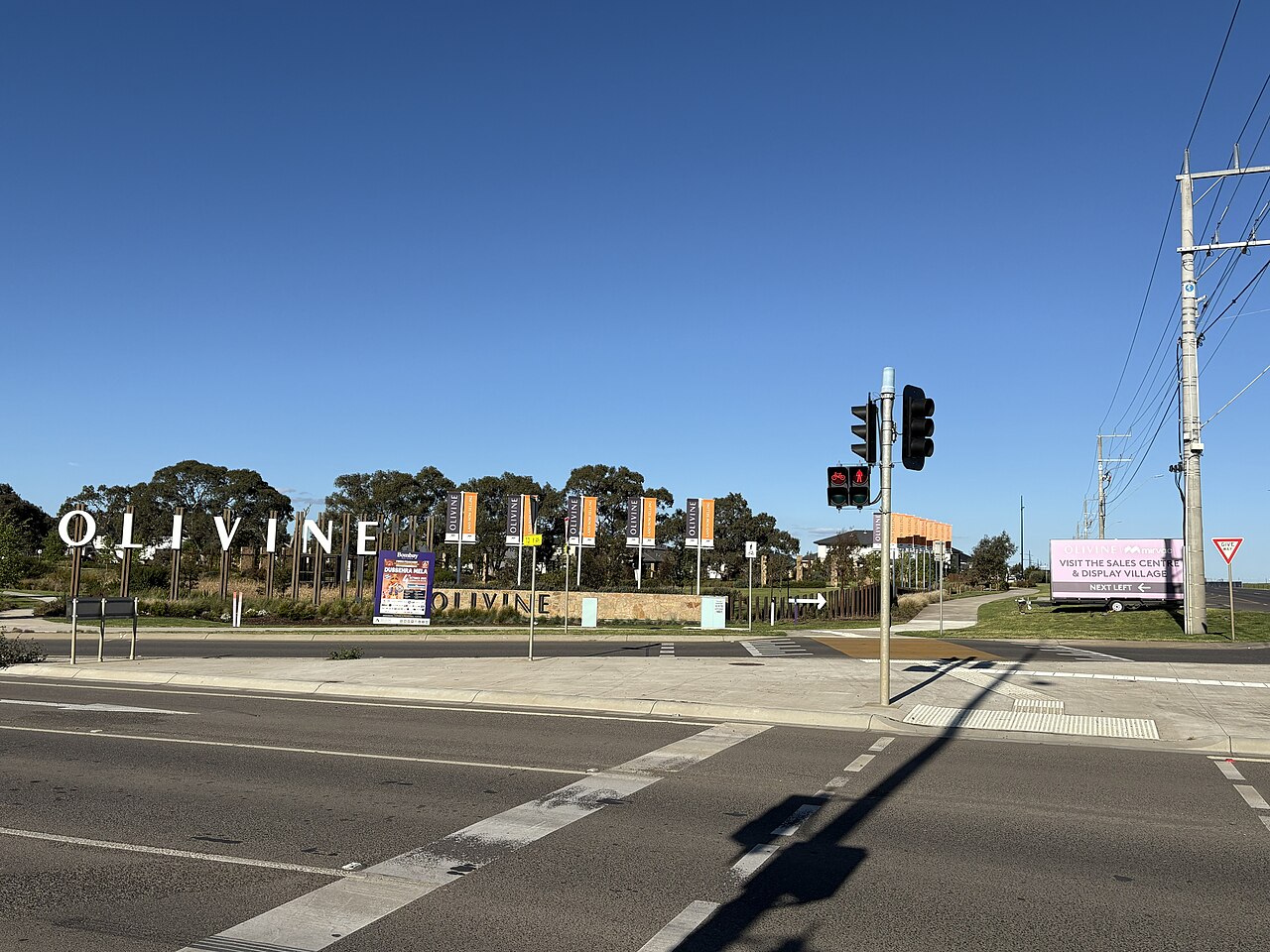
Transport is the first honest gotcha. Wollert reads close to several rail lines on a map, but the suburb itself is not a train suburb. You are planning around buses, driving to stations, partner drop-offs, or work patterns that avoid peak-hour pain. The second gotcha is unfinishedness. Some streets feel polished, while nearby blocks may still have fencing, dust, temporary traffic changes and construction vehicles. That is not a moral failing; it is the price of buying or renting in a growth suburb while the suburb is still being built.
If I were choosing, I would prioritise a quieter street with fast access back to a main road, a realistic garage, good solar orientation, and a short drive to either Steen Avenue or Macedon Parade. I would be cautious about homes hard against major roads, homes opposite undeveloped land where future works are unclear, and streets where every second driveway already has overflow parking.
Signature Craving
Staple Pizza on Steen Avenue is the most useful local craving because it fits the way Wollert actually lives: after work, after sport, after a long drive back from a station, when nobody is cooking. This is not a suburb with a deep late-night dining grid, so the reliable nearby option matters more than a glossy destination meal. Lucky Tasty Food next door gives the same Steen Avenue pocket a second dinner answer, while Rustic Corner Cafe on Macedon Parade covers the daytime coffee-and-brunch rhythm. The honest read: Wollert’s food scene is still functional, not layered. The win is having a few real local anchors inside the suburb instead of needing to drive to Epping or Craigieburn every time hunger appears.
Comparisons Table
| Suburb | Transport | Tier | Region |
|---|---|---|---|
| Wollert | F | North | outer-north |
| Beveridge | F | North | outer-north |
| Bruces Creek | n/a | North | outer-north |
| Donnybrook | N/A | North | outer-north |
Trust Block
Author: Priya Sharma — Family-and-community correspondent; reads council planning notices for fun.
Data: data/melbourne_suburbs_master.json (Codex per-LGA enumeration, cross-checked vs VEC + Australia Post + ABS SA2 boundaries), data/suburb_scores.json (composite percentile grades), data/venues/.json (OpenStreetMap + Gemini-verified venue catalog).
Last reviewed: 2026-05-26. Not financial advice. We do not accept paid placements in editorial.
FAQ
Q: What is Wollert’s history in one honest sentence? A: Wollert’s modern identity comes from a very recent shift: rural and semi-rural land on Melbourne’s northern edge has been converted into large-scale housing estates, roads, schools and service centres as the city expanded. The older story is farming land, big blocks, open paddocks and quarry-country edges rather than a nineteenth-century village strip. That is why the suburb can feel historically thin on the street: the land has a longer past, but the day-to-day suburban fabric is mostly new.
Q: Is Wollert actually a good family suburb in 2026? A: Yes, but only if your definition of family-friendly starts with internal space, newer homes, garaging and access to schools rather than walkable older-suburb character. Families like Wollert because the housing stock suits prams, teenagers, visiting relatives and work-from-home desks. The caution is logistics. You will probably drive to sport, tutoring, bigger shops, stations and some appointments. If your household has one car and two adults with conflicting schedules, Wollert can feel harder than it looks on paper.
Q: What are the main downsides of living in Wollert? A: The big downsides are car dependence, uneven infrastructure timing, limited mature tree cover in newer estates, and a food and retail scene that still feels thinner than established suburbs. Some pockets look complete, while nearby land is still being developed, so construction traffic and dust can be part of the local routine. Commutes can also become tiring because Wollert does not have its own railway station. The suburb suits people who can plan around driving; it frustrates people who expect easy spontaneous movement.
Q: Where should renters inspect more carefully in Wollert? A: Inspect carefully near main road corridors such as Epping Road, Craigieburn Road East, Edgars Road, Harvest Home Road and Bridge Inn Road because access and noise often trade places. A home that saves five minutes in the morning may bring more traffic sound at night. Also inspect streets in newer estates after dark to see real parking pressure. Look for working heating and cooling, flyscreens, storage, internet options, garage usability and whether nearby vacant land is likely to become a construction site.
Q: Does Wollert have enough cafes and restaurants? A: Enough for routine local life, not enough if dining is a major part of your week. Staple Pizza and Lucky Tasty Food on Steen Avenue are useful for takeaway, while Rustic Corner Cafe on Macedon Parade gives residents a local cafe option. The limitation is depth. You will still drive to Epping, Craigieburn, South Morang or Mernda for more choice, later hours, bigger grocery runs and broader dining. Wollert is improving, but it is not a suburb you choose for food variety.
Q: Is Wollert cheaper than nearby suburbs? A: It can be, especially compared with more established northern suburbs with better rail access or older shopping strips, but the discount is not as simple as it once was. Newer houses, family demand and growth-corridor migration have pushed rents and prices up. The smarter comparison is total weekly cost. Add rent or mortgage, petrol, parking, insurance, second-car pressure and commute time. Wollert can still win for space, but the saving is strongest when your work and family routines sit north or north-west of the CBD.
Q: How bad is the commute from Wollert? A: The commute is manageable for some people and draining for others. If you work in Epping, Thomastown, Campbellfield, Somerton, Craigieburn, Mernda or nearby industrial and logistics areas, Wollert can be practical. If you need the CBD five days a week, the lack of a local train station becomes a real issue. You are usually combining driving, buses, station parking or drop-offs. A hybrid worker may find the trade-off worthwhile; a daily peak-hour train commuter should test the route before signing anything.
Q: What kind of buyer should be cautious about Wollert? A: Be cautious if you are buying purely because the suburb looks affordable on a map. Wollert rewards buyers who understand growth-area trade-offs: infrastructure arrives in stages, estates age differently, and some streets will outperform others because of road access, school proximity, orientation and future nearby development. Buyers who need established amenity from day one may feel impatient. Before committing, inspect at peak hour, check council planning material, compare nearby suburbs, and be realistic about whether your household can handle a car-first routine.
Q: Will Wollert feel more established in the future? A: Probably, but future improvement does not remove today’s compromises. As more homes, schools, shops, parks and services arrive, Wollert should feel less like an edge suburb and more like a complete northern suburb. The risk is timing: residents live through the gap between promise and delivery. Roads can be busy before upgrades feel sufficient, and local retail can lag population growth. If you move there in 2026, judge it on current transport, current parking and current services, not only on what the plans say may come.